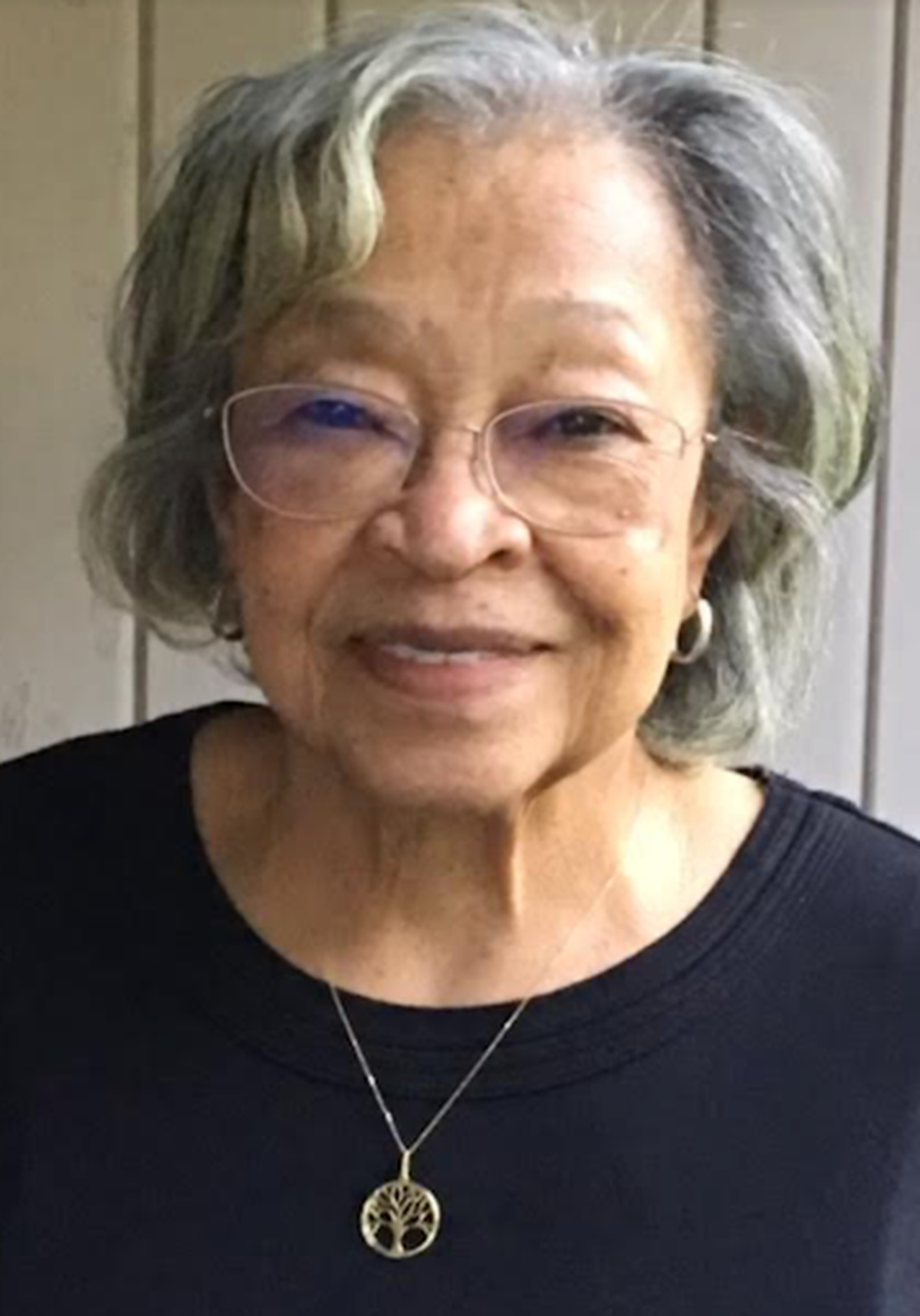
We lost a little-known civil rights pioneer on Jan. 13. Claudette Colvin, born on Sept. 5, 1939, in Birmingham, Alabama, died in Texas of natural causes.
Before Rosa Parks, there was Claudette Colvin, an African American teenager who knew her constitutional rights and refused to give up her bus seat to a white woman. Claudette had been studying Black History at Booker T. Washington High School for nearly the entire month of February. Washington High School in Montgomery, Alabama, was segregated, as many schools in the South were at the time.
On March 2, 1955, Claudette was heading home on a segregated Highland Garden bus. She boarded with three friends and took a window seat on the left side, behind the white section, placing her books on her lap. One friend sat next to Claudette, and the other two sat across the aisle on the right.
There were ten “white” seats at the front of the bus, and when they were occupied, African Americans were expected to give up their seats and move to the back. Soon, all ten seats were filled, and a white woman was standing. The bus driver ordered Claudette to move back. Inspired by Sojourner Truth and Harriet Tubman, Claudette refused to move. That day, she described her feelings: “I felt like Sojourner Truth was pushing down on one shoulder and Harriet Tubman pushing on the other – saying, ‘Sit down, girl. I was glued to my seat.”
Claudette’s friends got up, leaving three empty seats in that row, but the white woman continued to stand, apparently because Claudette was sitting there. Claudette was dragged off the bus and handcuffed by the police when she refused to get up. “It’s my
constitutional right to sit here as much as that lady. I paid my fare. It’s my constitutional right,” she cried. She was charged with four counts but convicted of one – assaulting a policeman. She was happy and proud to have challenged the law.
However, not all were happy. Claudette was shunned by her friends when she returned to school and was not invited to social events. Some people thought she was crazy, and parents did not want their children to associate with her. She was marked as a juvenile delinquent and now has a criminal record.
Claudette loved school, especially Miss Geraldine Nesbitt’s class. It was supposed to be an English Literature class, but Ms. Nesbitt used literature to teach life. Claudette studied Black History and much more. “She taught us the world through literature,” Claudette reminisced. She learned about the civil rights movement in school and was a member of the NAACP Youth Council.
Nine months later, on Dec. 2, 1955, Rosa Parks was arrested and jailed for refusing to give up her seat to a white passenger. Her situation was similar to Claudette’s, but Mrs. Parks was treated differently. The driver called the police, who asked Parks to stand and then escorted her off the bus. She was arrested, fingerprinted, and allowed to make a phone call. The next morning, Mrs. Parks pleaded not guilty and paid a $10 fine and court costs. When she left the jail, she was warmly greeted by several hundred supporters and embraced by the community. Mrs. Parks’ arrest was the catalyst for the Montgomery Bus Boycott.
Leaders of the civil rights movement considered Claudette the catalyst for the boycott, but they were concerned about how she would be perceived. Given her age, working class background, and pregnancy, they decided to feature Rosa Parks, a civil rights activist, as the face of the movement. Mrs. Parks was older, married, and engaged in civil rights.
Claudette was one of four plaintiffs in the lawsuit challenging Alabama’s segregation statutes. Browder v. Gayle was filed in June 1956, and three federal judges ruled that Montgomery’s bus segregation violated the Equal Protection Clause of the 14th Amendment. The ruling was appealed, but the U.S. Supreme Court upheld it, forcing the city to end its segregation policies.
Claudette’s record was expunged in 2021, and she lived long enough to experience the 70th Anniversary of the Bus Boycott.