As much as we try to look good for certain occasions, fast fashion will never quench that thirst for contentment when it comes to clothes. We are in an era where we, as people, are becoming very reckless when it comes to spending on clothing. We often buy clothes for certain events and never wear them again, and this happens repeatedly. Unwanted clothes begin to build up as shopping has become far easier than it was back then. Apps like Shein and Temu are contributing to this catastrophe, and we need to acknowledge that before it’s too late. Not only does fast fashion create excess through convenience, but it also generates waste that causes significant harm to the environment. Mass production carries an equally dangerous impact in our rivers and oceans, our air, and our landfills. Collectively, we must examine this issue through an ethical lens–one that considers both humanitarian and environmental consequences.
The sad thing is that we lack the honesty to simply say, “I know I will never wear this again; I should give it away.” Instead, we lie to ourselves and end up hoarding with the “belief” that we will need the clothes in the near future–but no, that never happens.
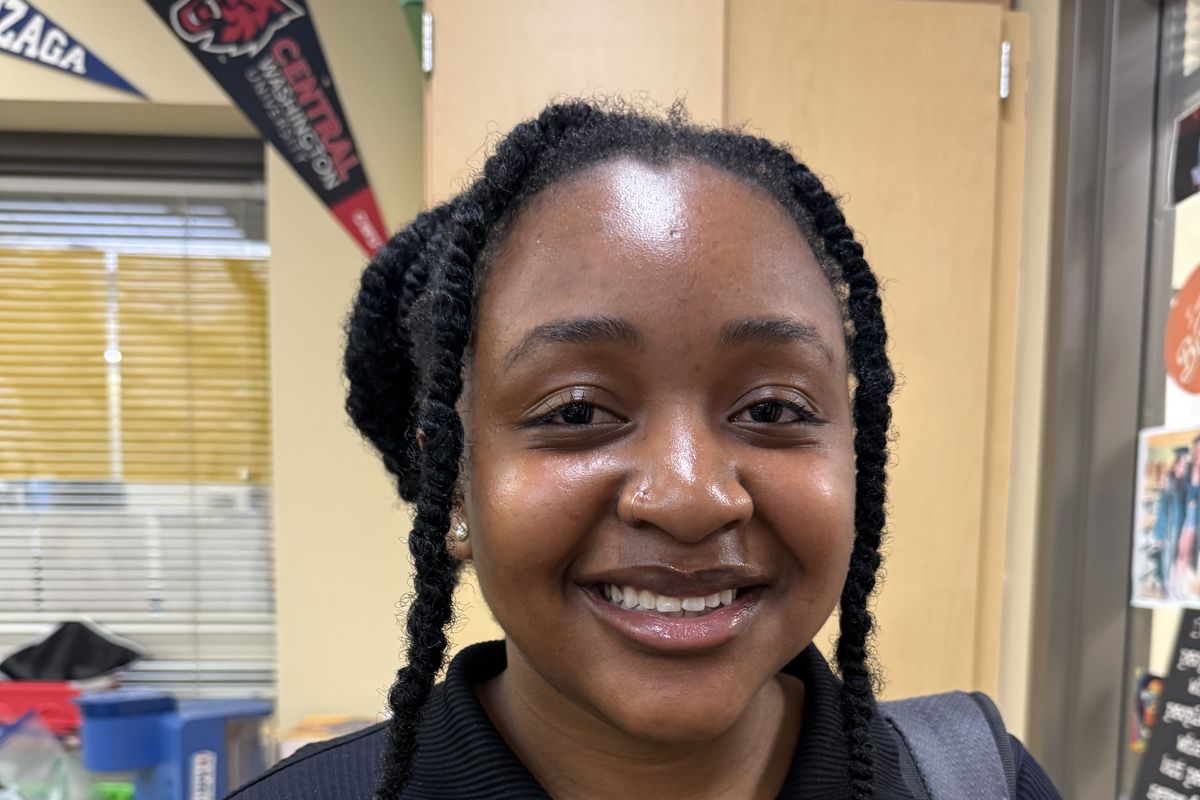
We need to take into consideration the fact that other people are struggling to afford even a couple of pieces of clothing. The gap between overspenders on clothes and non-spenders has frighteningly increased over the past decade, and it is our sole duty as members of this society to do our best to close it. To contribute to that effort, I will be running a clothing drive at Shadle Park High School, and I invite everyone who is capable of donating to do so.
As we can all see, this winter is brutal. Some of us are protected from the weather by appropriate clothing, but unfortunately, not all of us have that privilege. Let us be mindful of the lives around us and do the best we can to contribute to the well-being of others. We are capable of changing lives, and major change starts with one person. Be that one person. Take a step forward and say no to hoarding and yes to donating. That sweater sitting at the back of your closet could change someone’s life.
The number of people who struggle on our streets in winter due to the cold is unbelievably high, and we know it can be addressed with good stewardship of resources and strategic direction of excess. Why do we not do anything about it? We hear the statistics, but we are fascinated by numbers rather than the reality of the situation–and that is not very human of us. What happened to genuinely caring about people? What happened to us? Still, I have hope. We can change–change for the better. God bless us all.
More details about the clothing drive will be sent out to the community soon. Please think about what you do to make life easier for the next person; it makes us all a little more human. You have the power to change lives, so use it–and use it wisely.
Proverbs 19:17 reads, “Whoever is kind to the poor lends to the LORD, and He will reward them for what they have done.” Let us help God’s children as He has helped us.