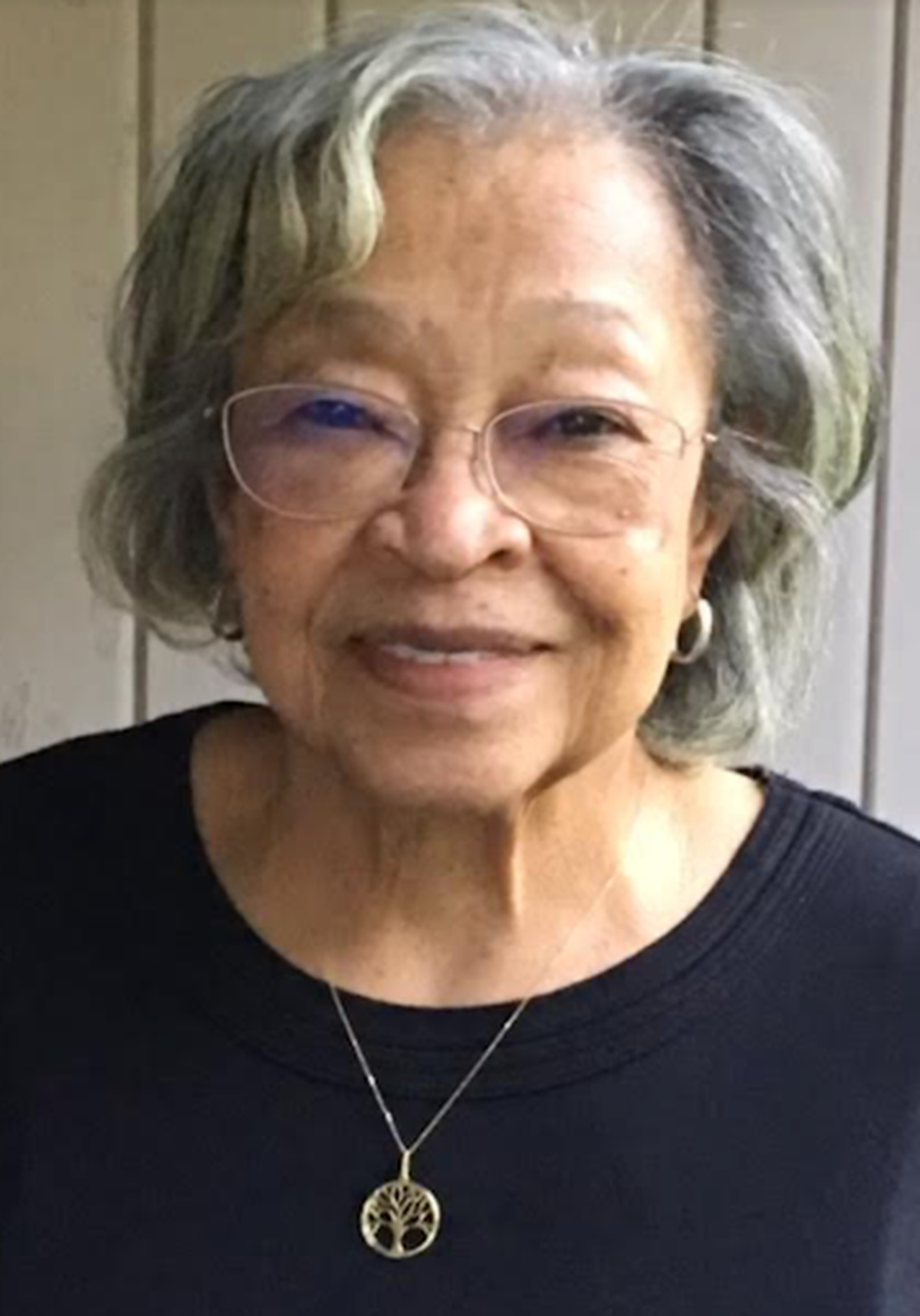
I can still remember the moment clearly. It was 2004, and I was reviewing the Jesuit Plantation Project documents when I saw my ancestors’ names in them, documents that had survived centuries. As I read and reread the entries, I felt an overwhelming sense of connection and belonging, and finally knew who my maternal ancestors were.
Every genealogist lives for that moment of discovery. We search archives, squint at faded handwriting, and piece together fragmented lives from long ago, all for the electrifying instant when the puzzle pieces finally fit. For Black genealogists, that moment carries extra weight. We are not just filling in the blanks on a family tree–we’re reclaiming identities systematically erased, recovering obscured names, and restoring humanity to people reduced to ledgers and bills of sale.
But what I didn’t know in 2004 was that finding my own family was only the beginning. I couldn’t have imagined the journey that would unfold or the responsibilities that would come with it.
As I continued my research, following the threads of my family history, I discovered something larger than my lineage. This wasn’t just my family’s story – it was the story of 272 people whose names, lives, and descendants deserved to be remembered and honored. As word spread about the Jesuit-enslaved ancestors, my personal genealogical quest became something much larger – an act of service to my ancestors, their community and history.
This is one of the unexpected rewards of Black genealogy: discovering that your family story is woven into a larger tapestry of history and that you are entrusted with preserving not only your own heritage but also that of a community. I began sharing my findings on my blog, African Roots, without knowing who might be reading or whether it would matter to anyone beyond my family. I was simply doing what genealogists do–documenting, preserving, and sharing what I had learned.
My blog was discovered, setting in motion a series of events I could never have anticipated. The information about the Jesuit slave sale gained national and international attention. Suddenly, Georgetown University, which had benefited from the sale of human beings for centuries, was forced to confront its history.
This is perhaps the most unexpected reward of genealogical research: the possibility that your work could become a catalyst for historical accountability and institutional change.
Georgetown University took steps to address this history, establishing programs to benefit descendants of the 272 and formally acknowledging and apologizing for this painful chapter in its past. None of this would have happened without the painstaking work of documenting names, dates, and relationships – the fundamental work of genealogy.
On Nov. 13, 2025, I was honored with a proclamation at Georgetown University for revealing the Jesuits’ enslavement of 272 people. The date itself holds profound significance: It is the same day in 1838 that those 272 enslaved people, including my ancestors, were sold downriver to Louisiana slaveholders.
This is what I’ve come to understand about the rewards of genealogy: Yes, the personal discoveries mattered immensely – still the most powerful moment of all. But the work extends beyond the personal.
When I reflect on my genealogical journey, I think about the various rewards it has brought. There is the honor of the proclamation, the validation that matters, and the knowledge that the story of the 272 has been told and remembered. But perhaps the greatest reward is this: I have given my ancestors a voice. I have ensured they are not just numbers in a ledger or on a bill of sale. They are people with names, families, and stories. Their descendants can now find them. Their lives are documented. Their suffering is acknowledged. Their humanity is restored.
This is what black genealogy offers to those who pursue it with education and persistence. You may find your family tree, but you may also be entrusted with something larger – the opportunity to reclaim histories, challenge institutional narratives, bear witness to truths others tried to bury, and ensure that your ancestors and their communities are remembered with the dignity they deserved.