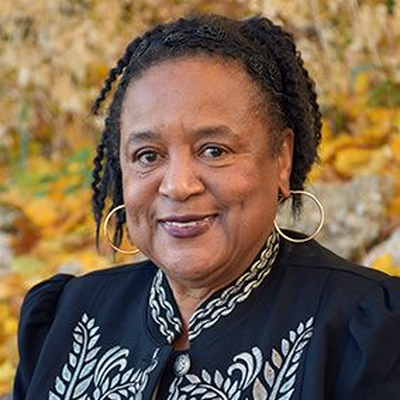
Words that I reflect on as I decided to retire are freedom to choose how I spend my time; relaxation to embrace a slower pace; adventure to explore new hobbies and travel; community to engage with family, friends, and social groups; and reflection to contemplate life’s achievements and future goals.
At the end of June 2026, I retired from Eastern Washington University’s Africana Studies program after twelve years and three months. It was a difficult choice, due in part to the impact of the current administration’s actions. President Donald Trump has leveraged the power of the federal government to threaten funding and restrict foreign student status, demanding an unprecedented role in university admissions, curriculum, and operations.
After thirty-two years with Spokane Public Schools, I retired in 2013. Prior to that experience, I taught for two years at the Robert Reid Laboratory School at Eastern Washington University.
Retirement is not the end of one’s life. It is the beginning of revisiting your deferred dreams. But for many Black women, this return is complicated by financial gaps, health challenges, and the silence that often surrounds our grief, our growth, and our gifts. That is why everything we do should focus on our experiences, our real-life needs, our soul-level desires, and our sacred right to rest and have fun. Tomorrow is not promised.
Retirement is about reclaiming and reimagining life on your own terms. Black women entering this season often carry not just years, but generations on their backs. It is the time for massages, vacations, family time, and rest. I plan to sleep, travel, and be the Nana I envision for my three grandchildren.
Yet retirement is not without its challenges. Many of the realities retirees face are shaped by historical inequities, cultural nuances, and systemic barriers.
Financial Strain and Lack of Legacy Wealth
Numerous Black retirees enter this stage of life without the financial safety nets that others often assume will be available. Insufficient retirement savings, rising healthcare expenses, and historical barriers to wealth accumulation contribute to stress during a season that should be marked by peace. This is one reason some retirees choose to continue working part-time.
Chronic Health Disparities
Persistent systemic inequities contribute to higher rates of chronic illness, limited access to culturally competent healthcare providers, and fewer resources supporting emotional well-being. At this stage of life, prioritizing self-care and becoming an informed healthcare consumer are essential. Workshops and affinity groups centered on Black women’s physical and mental health can play an important role in improving health literacy.
Isolation and Disconnection
Whether caused by changing family dynamics, loss, relocation, or technology, retirement can sometimes bring unexpected loneliness. Building relationships beyond the workplace through volunteering, civic engagement, or community organizations becomes increasingly important. Personally, I have remained active in the community, strengthened relationships with local organizations, and continued improving my technology skills.
Housing Insecurity and Gentrification
For many retirees, fixed incomes collide with rising housing costs, increasing property taxes, and the displacement of long-established Black neighborhoods. These realities can threaten both financial stability and a sense of belonging.
A recent Springer Nature study, Gentrification and Fear of Displacement: A Quantitative Study of Older Black and White U.S. Adults, found that gentrification significantly increases fear of displacement among older Black adults, even when they remain in their neighborhoods. Many scholars recognize gentrification as a racialized phenomenon rooted in generations of forced relocation, disinvestment, and segregation.
Creating sacred space wherever we live becomes an important act of self-preservation because peace is essential to healthy aging.
Ageism and Racism in Daily Life
Retirement does not shield us from ageism or racism. African Americans continue to experience the effects of generations of economic inequality, resulting in lower wages, lower homeownership rates, and fewer opportunities to build generational wealth.
At the same time, Black communities have long honored their elders. Our wisdom, resilience, beauty, and lived experiences deserve celebration. We have earned our place at the table.
Coming Next Month
While these external challenges deserve honest conversation, retirement is also an invitation to rediscover ourselves. In Part II, we will explore purpose after work, emotional wellness, relationships, spirituality, beauty, and the lasting legacy we hope to leave for future generations.
Resources
Duvauchelle, J. (2021). Active Aging for a Stronger Future.Alive: Canada’s Natural Health & Wellness Magazine, 468, 29–33.
Ejim, M. (2020). Integrity versus Despair: Perceptions of Aging among African Americans in Late Life. Doctoral dissertation, Capella University.
Erikson, E. H. (1982).
Retirement Innovation Lab. 21 Challenges Retirees Face as We Age.https://retirementinnovationlab.com