“I’ve wanted to do it for as long as I can remember. I really like observing people, and I want to put other people’s stories into my own–just on the biggest screen. Something about it really calls me and speaks to me. It makes me feel the happiest when I’m creating or watching something.”
Jauvan Mbarushimana, a 2025 graduate of North Central High School, speaks about film with the quiet conviction of someone who has already found his calling. “I don’t think you can teach somebody how to direct. It comes from them, but college can give me access and tools in the art world,” he says. In the coming year, Jauvan will attend Parsons School of Design in New York, majoring in photography as a pathway to his ultimate dream–film directing.
Jauvan’s family story is one of survival and reinvention. His parents lived through the 1994 Rwandan genocide, escaping to refugee camps before resettling in Spokane. “We did lose a lot of people in Rwanda,” Jauvan shares. “But there were families here in Spokane we reconnected with…people I call cousin even though we aren’t related. It’s chosen family, but not even a choice. You just naturally find that relationship with someone who understands.”
This layered history fuels his art. “It’s important for us to tell our own narratives and show things through our own lens because it’s a form of communication–expressing yourself and others so people can understand the world and themselves better,” he explains.
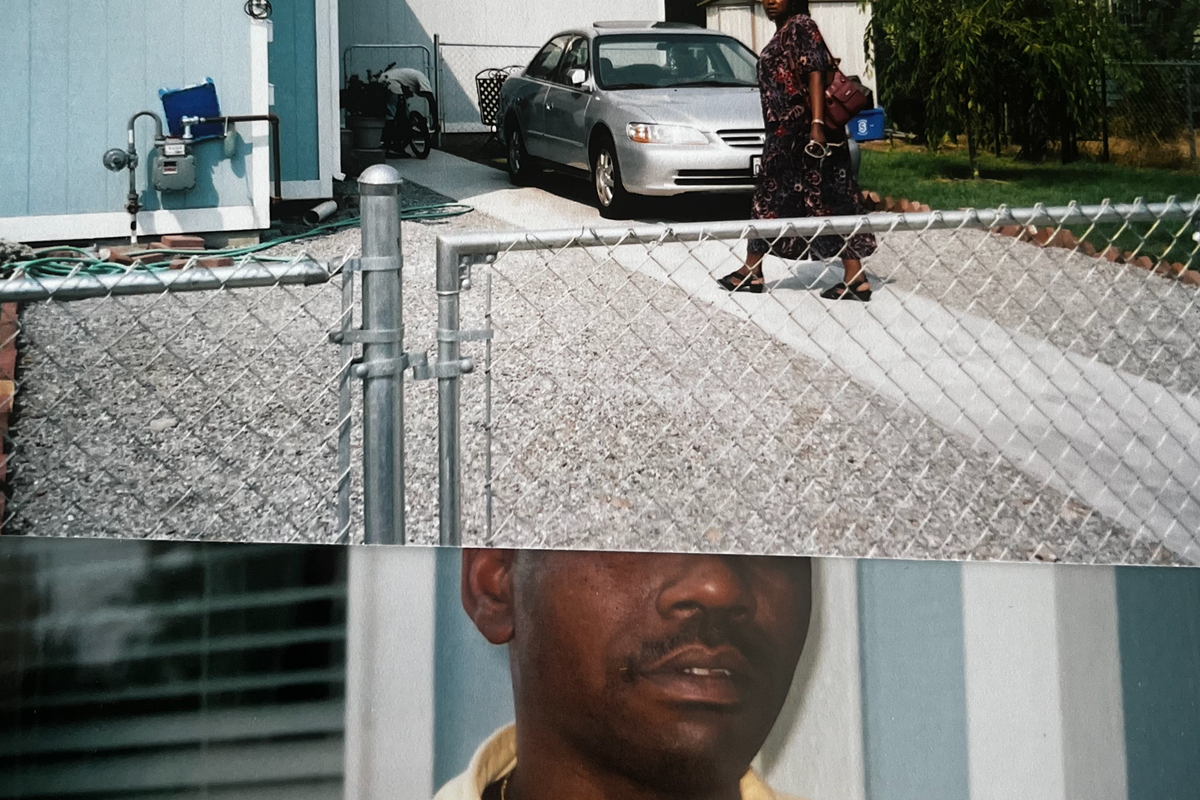
In September, Jauvan debuted Buried in the Garden, an experimental documentary, at the Carl Maxey Center, presenting it alongside his photography and poetry. The film weaves archival footage with new images to explore how past and present echo each other–and confronts the absence of tangible memories. “We don’t have many photos or objects from when my dad was a kid,” Jauvan says. “When you try to figure out your family history, it’s strange to only see genocide footage online. I wanted to contrast that with our life now–our love and refuge despite displacement.”
Jauvan began filming as his grandmother was diagnosed with a tumor, and much of the editing happened while his family navigated her illness. Facing the possibility of loss gave the project even deeper meaning. The creative process offered unexpected comfort. “Editing became my own way of grieving,” he reflects. “She survived, but the film helped me prepare for loss and connect more deeply to family.”
He also describes the film as a meditation on survival and connection: “It’s about our situation or feelings of displacement and colonization, but also immigration and finding love and refuge somewhere through this whole mess.”
“The best pieces of art stop the question of why we create,” he adds. “You might think art is pointless, but when you experience it, you know it just has to exist.”
And as he shares his work with a wider audience, Jauvan emphasizes the importance of staying connected: “Follow me on Instagram @amahorooo–that’s where I share my photography, film updates, and new projects.”
Jauvan’s inspirations range from Spike Lee to experimental Caribbean filmmakers. What unites them is their commitment to telling Black stories that transcend borders. “There are cultural differences across the diaspora, but we share connections,” he says. “It’s important to see our similarities and differences to realize we’re not alone. That community makes us stronger and more unique.”
For Jauvan, art is essential. It connects him to family, culture, and a deeper understanding of humanity itself.
Jauvan’s exhibit remains on display at the Carl Maxey Center through October. Visitors can experience his photography, poetry, and Buried in the Garden, a work that embodies both personal healing and the collective memory of a people who endured unimaginable loss.
Follow Jauvan’s journey on Instagram at @amahorooo to witness how a young artist from Spokane, shaped by history and driven by vision, is already directing a narrative that is entirely his own.