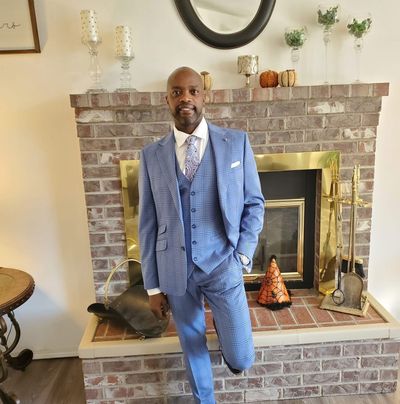
Men of Color in Motion is a featured series dedicated to highlighting the men of color whose vision, work, and leadership are shaping Spokane’s local economy. These are the business owners, innovators, entrepreneurs, and community builders who are redefining success on their own terms. Through this series, we explore their achievements, personal journeys, and the obstacles they navigate–set against the broader backdrop of persistent stereotypes and systemic challenges.
My goal is to bring visibility, nuance, and pride to stories that too often go untold. By presenting a fuller, more accurate picture of leadership in our community, I aim to honor the real impact these men make every day in business, mentorship, and community investment.
Why This Series Matters
Too often, narratives about men of color focus narrowly on struggle rather than success. Men of Color in Motion seeks to shift that lens–uplifting stories of excellence, perseverance, and innovation. These profiles reveal complex, multidimensional lives and highlight individuals who are not only contributing to Spokane’s growth but laying foundations for future generations.
This work aligns deeply with our newspaper’s mission: to amplify underrepresented voices, reflect the true diversity of our readership, and ensure our community sees itself fully and accurately represented. More than a series, this is an opportunity to inform, inspire, and remind Spokane that brilliance and leadership are thriving right here among us.
Q&A WITH JOSEPH PERSON
Q: Joseph, can you tell us how your journey with Men’s Wearhouse began and what inspired you to enter this line of work?
Joseph Person: “I’ve done a plethora of things in my life, but to end up at Men’s Wearhouse, selling clothing and working with the public–I guess you can say it’s kind of my love. I like to work with the public. My very first job was at Miller’s Outpost in California, a Levi Outlet store. I also worked in college at a sporting goods store in Sacramento. So it’s just something that goes pretty easy for me, being able to work with the community and connect through where I work.”
Q: What part of the work intrigues you the most?
“Definitely the diversity of people I come in contact with–their stories. I meet them in crucial times: their best moments or sometimes their most depressing. They’re getting married, graduating college. I get to speak with them, connect, and give a brief piece of my own story. That does something for me.”
Q: What has motivated you to stay and grow within the company?
“I like the way the company is structured. I’ve been with them seven years. They try to be involved with diverse cultures and the community. After the pandemic, when they called me back, I was happy to return. The company restructured things, and I liked what they did. So coming back was a slam dunk. I could see myself moving up.”
Q: Who or what shaped your early ambitions?
“As far as wanting to be my best self–that’s my father, my grandfather, my mother. They instilled believing in yourself, hard work, perseverance, looking at the positive. Those are real life lessons.”
Q: Was there a defining moment that redirected your path?
“Before Men’s Wearhouse, I was a bounty hunter. I was on a fugitive recovery team for almost ten years. Even in that line of work–serving warrants–connecting with people and having compassion went a long way. That made me want to get into something where I could still connect with people, but in a different way.”
Q: What challenges did you face early on?
“Most people’s problems come from themselves. Things that looked like they might slow me down–I slowed myself down. I don’t let stuff get in my way. It took me a couple of years to think like that. I don’t have bad days anymore, maybe a challenging moment–but no bad days.”
Q: As a man of color in management, what does representation mean to you?
“It means a lot. Young men of color come into the store and ask how I got this position. I wear a suit every day, and that gets respect automatically. But I want to connect with them–give them some light in five or ten minutes.”
Q: How does the fashion and retail industry influence confidence for men of color?
“When a man puts on a suit that fits well, he immediately feels good. Most guys have never had something that actually fits. They didn’t even want to be there at first, but by the time they leave, they say, ‘Joseph, I think I want to come back.’ It changes them.”
Q: What role does mentorship play for you?
“Mentors are important, especially for young men. A lot of young men don’t have anybody they even want to listen to. So when I get the chance, I embrace it. It’s important.”
Q: What advice would you give young Black and Brown men building confidence today?
“Surround yourself with people who are doing what you want to be doing. Get in those circles now. Set your goals high–real high. And know you have a spiritual walk. Most young people don’t think they’re a soul, but the soul drives everything.”
Q: Finally, what can customers expect when they walk into your store?
“Top service. That’s what sets us apart. I teach my team that. Online is our competitor, so our service has to be excellent. We’re doing well, and they’re building new stores. At Men’s Wearhouse, you’re going to get the best service.”